

Ethical and Regenerative Tourism in Ireland’s Hidden Heartlands
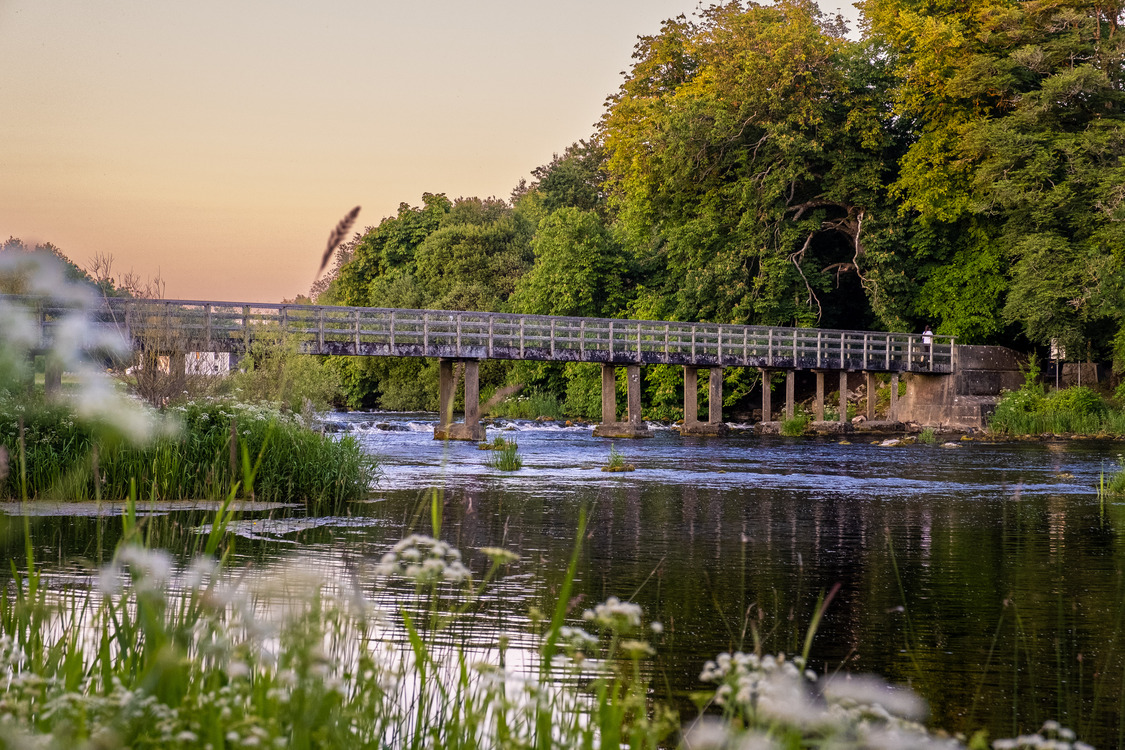
Ethical travel prioritises the well-being of people, places, and the planet. In Ireland’s Hidden Heartlands, this approach ensures tourism restores landscapes, sustains local livelihoods, and strengthens communities.
Defining Ethical Travel – Ethical travel, also known as responsible tourism, minimises environmental impact and maximises positive outcomes for local communities and cultures. It encourages visitors to make conscious choices about transportation, activities, and spending, while supporting local businesses, respecting heritage, and protecting nature.
Principles of Ethical Travel
- Environmental Responsibility: Reduce carbon emissions, waste, and wildlife disturbance.
- Community Benefit: Support local enterprises and fair employment.
- Cultural Respect: Honour local traditions, language, and lifestyles.
For destinations such as the Midlands, which depend on natural assets such as waterways, bogs, and forests, ethical travel is essential to their preservation.
Regenerative Tourism – Regenerative tourism goes beyond sustainability by actively improving destinations. It involves collaborative stewardship, in which all stakeholders enhance the natural, human, and built environments. Visitors contribute by supporting habitat restoration, community projects, and nature-positive businesses. In Ireland’s Hidden Heartlands, regenerative tourism is a strategic goal aligned with initiatives such as the EU Just Transition.
Regional Importance – Ireland’s Hidden Heartlands offers slow, nature-based experiences, emphasising low-impact growth that protects habitats and supports rural towns. Ethical and regenerative tourism are vital to maintaining environmental limits and benefiting local communities as visitor numbers increase.
Local assets such as peatlands, the Royal Canal, heritage towns, and forests require careful management to prevent damage from traffic, litter, or poor development. Ethical travel promotes year-round visits, longer stays, and local spending, supporting national efforts for sustainable travel such as cycling, walking, and kayaking.
Sustainable Activities
- Cycling: Low-carbon, minimal infrastructure impact, supports local businesses, and aligns with regenerative goals.
- Walking: Encourages connection with nature, follows “leave no trace” principles, and supports local economies through guided experiences.
- Kayaking: Quiet, low-emission activity that protects waterways and wildlife, integrates local history and community engagement.
Community Support and Transition – The Midlands, including Longford, are central to the EU Just Transition programme, which helps former peat-dependent areas diversify into low-carbon sectors. Ethical and regenerative tourism creates new jobs and highlights restoration and community initiatives, encouraging visitors to become advocates for regional transition.
Visitor Guidance – Guests can travel ethically by choosing low-carbon transport, booking small-group nature activities, using reusable items, and respecting local customs. Engaging with locals and learning about the region fosters lasting relationships and contributes to the long-term health of Ireland’s Hidden Heartlands.