

Walking in Their Footsteps: Exploring the National Famine Way with Ethical Tours
The National Famine Way is one of Ireland’s most powerful walking and cycling trails – a 165km route that follows the footsteps of 1,490 famine emigrants from Strokestown Park in County Roscommon to Dublin’s Docklands. Most of the trail winds along the Royal Canal, passing through the quiet landscapes and canal towns that Ethical Tours calls home.
For us, this is more than a line on a map. It is a living story woven into the towpaths, bridges and ticket houses we ride past every day.
What is the National Famine Way?
The National Famine Way commemorates a forced march in 1847, when tenants from the Strokestown Park estate walked to Dublin to board ships for Liverpool and onward to North America. Today the route is way‑marked, accessible, and designed to be completed in sections or over several days, with families and school groups in mind.
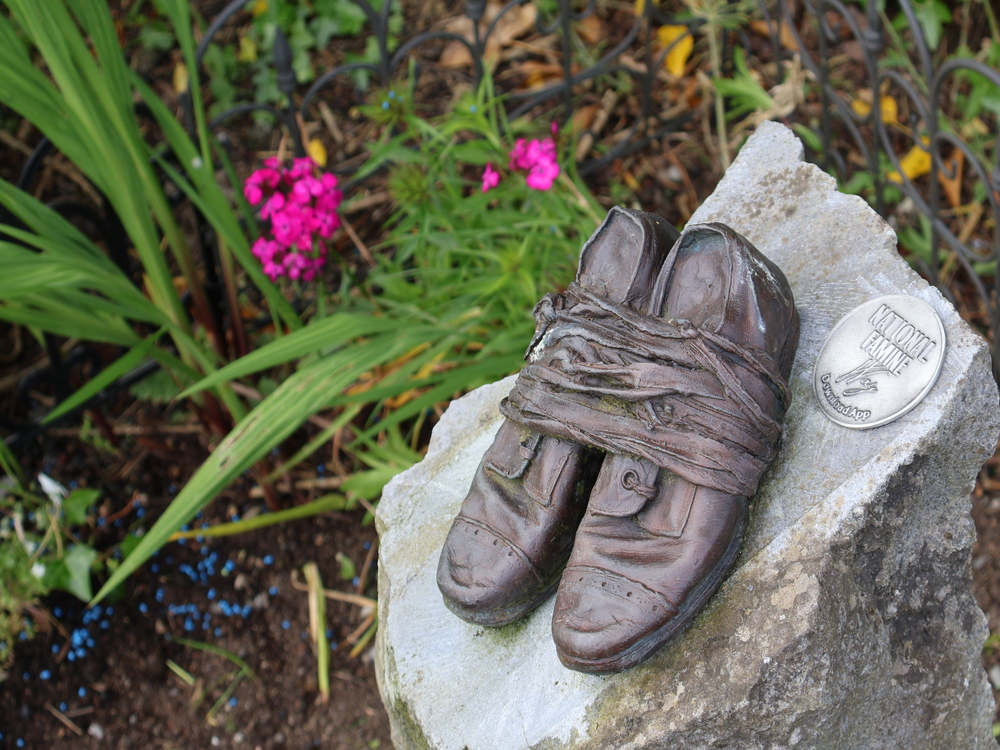
Bronze “shoe” sculptures mark key waypoints along the trail and link to stories voiced through the official app, including that of 12‑year‑old Daniel Tighe, one of the original Strokestown emigrants. Each pair of shoes invites you to stop, look around and imagine what it meant to leave home with no certainty of return.
Ballymahon and the Royal Canal section
Ethical Tours is based in Ballymahon, beside the Royal Canal Greenway, on a stretch where the Famine Way and the canal towpath overlap. Here, the story shifts from the big national narrative to very local details:
The restored passage‑boat ticket office at Ballybrannigan Harbour, where thousands once boarded canal boats bound for Dublin.
The nearby workhouse history, with Longford and Ballymahon Poor Law Unions offering grim “relief” during and after the famine years.
Quiet callows, bridges and cut‑stone locks that have changed little since the 1840s, now alive with swans, herons and kingfishers along the rewilding canal.
Our guided and self‑guided cycling experiences use this section of the trail to connect landscape, history and lived experience in a gentle, accessible way.
How Ethical Tours brings the trail to life
We design slow, low‑carbon experiences that let you move at the pace of the story. On our bikes you can:
Follow sections of the National Famine Way along the Royal Canal Greenway, linking Ballymahon with nearby ticket houses, harbours and bridges.
Combine canal cycling with short walking stops at key famine heritage points, including local memorials and former workhouse sites.
Add visits to Strokestown Park and the National Famine Museum at the western end, or Dublin’s famine statues and EPIC at the eastern end, as part of a multi‑day itinerary.
Because we use e‑bikes and adaptive equipment, these routes can work for a wide range of ages and abilities. Our aim is not to rush the kilometres, but to create space for reflection, conversation and connection with place.
Planning your own National Famine Way experience
You don’t have to walk the full 165km to engage with the trail. Many visitors choose:
A half‑day or full‑day cycle from Ballymahon along the canal, using the bronze shoes as story points.
A weekend trip combining a visit to the National Famine Museum in Strokestown with guided cycling on the Royal Canal.
A school or youth group outing, mixing active travel with curriculum‑linked learning about the famine, migration and social history.
The official National Famine Way map and planner are excellent tools for choosing sections, accommodation and travel connections. We’re happy to help you match their information with locally‑based, sustainable transport and tour options.
Why this trail matters now
The National Famine Way is about memory, but it also speaks to the present. It highlights themes of migration, land, food, and resilience that remain very real around the world today. By travelling it slowly – on foot or by bike – you experience not only the beauty of Ireland’s Hidden Heartlands, but also a deeper understanding of the people who walked these banks before us.
At Ethical Tours, we see this as part of our commitment to regenerative tourism: experiences that respect history, support local communities, and leave the landscape – and the visitor – changed for the better.
If you would like to explore the National Famine Way from our base on the Royal Canal, get in touch to chat about guided cycles, self‑guided options or tailored group itineraries.